
A story that begins with a crossing
The prologue is set in 1910, aboard a steamship bound for New York. The story in Rome begins in 1928, on scaffolding in the Prati district. In a century Italy has changed profoundly; our values have not: they are the same as a century ago.
At the helm of the Group since 1928

From the Apennines to America
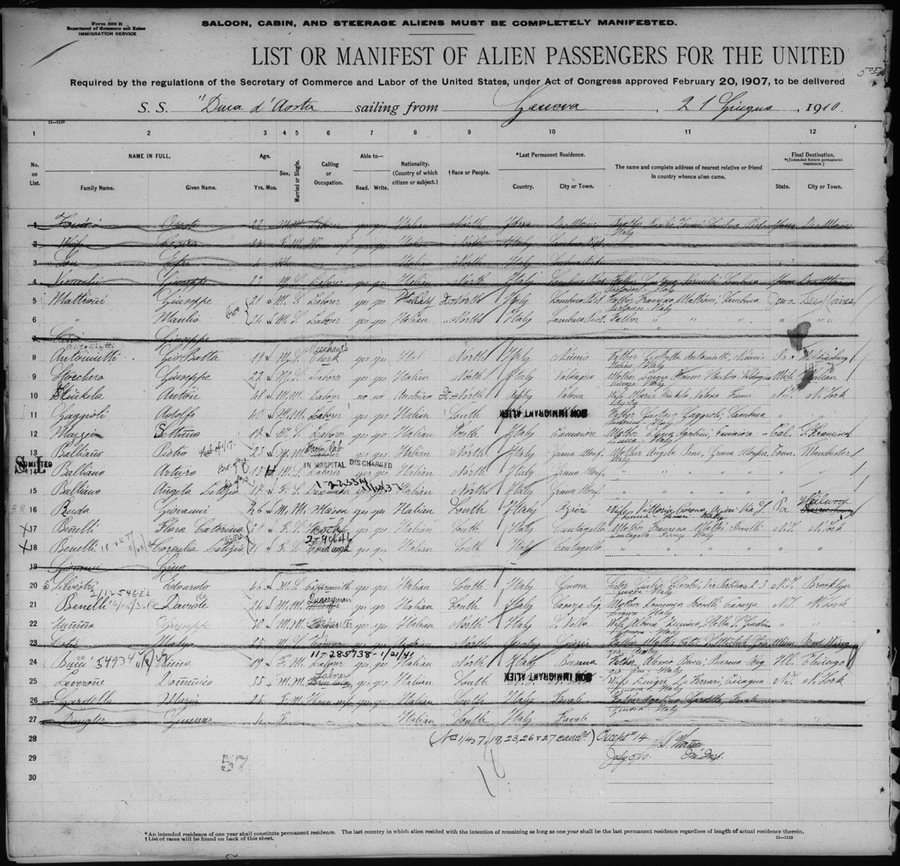
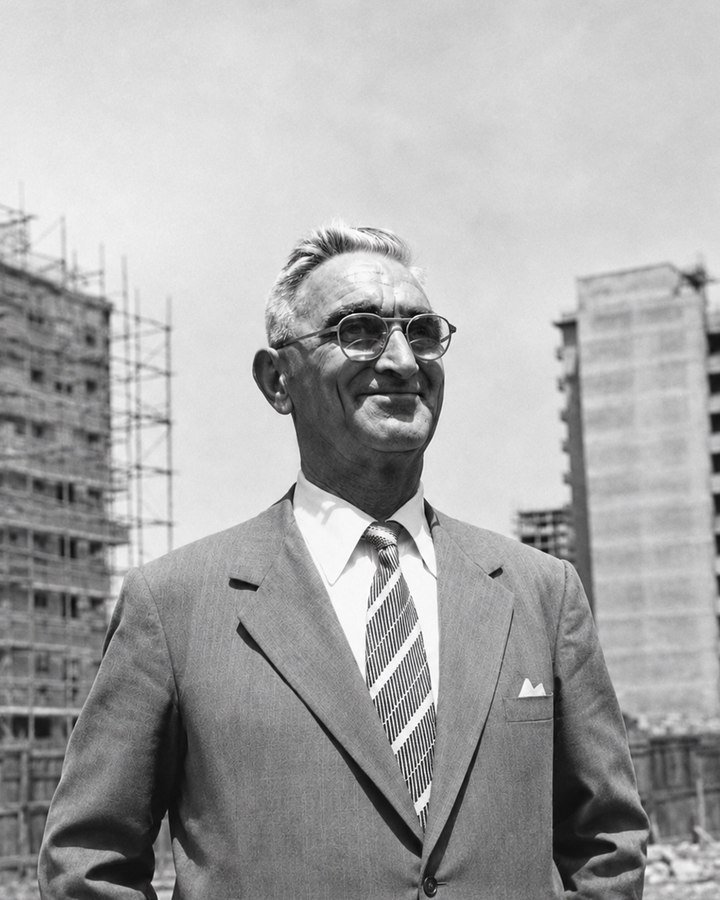
Giuseppe Matteoni was born on March 13, 1889, in Torri di Sambuca Pistoiese, in the Tuscan Apennines, in a rural Italy where people started working as children. He understood very early that the life of a farm laborer would never give him what he aspired to and, together with his brother Manlio, he decided to emigrate, first to Switzerland and then on to “Merica,” a mythical and distant land associated with the American dream of abundance and social freedom. With great courage and a desire to leave their mark, the brothers set sail from Genoa on the steamship Duca d’Aosta in 1910 and arrived in New York on July 5, where they were entered in the immigration records at Ellis Island and sent on to Colorado, to the mines around Denver.
The general store that changed everything
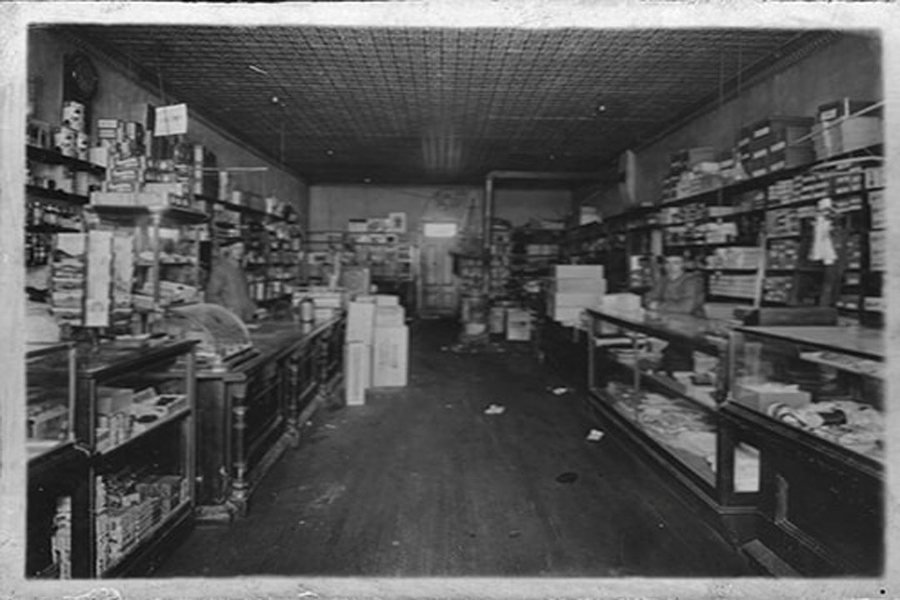
It was an accident that changed the trajectory of the Matteoni family: an eye injury took Giuseppe out of the mines and left him time to look around, reflect, and sniff out new business opportunities. He saw miners who had to wait weeks for a bar of soap or a tool, and decided to open a general store, which he called “Storo,” where locals could find everything that was lacking in those valleys. Lo Storo became a fixture of the local community, and the business grew to such an extent that Manlio also left the mine and Teresita, their sister, came over from Italy to lend a hand.
The village, then Rome
Back in Italy, Giuseppe brought to his village what he had seen across the ocean: running water and electric light. Those first infrastructure jobs were his gateway into construction. In the 1920s, after cutting his teeth on his first real estate projects in Pistoia, Giuseppe followed his nose for business to Rome, a capital still under construction, hungry for labor, ideas, and new housing.
The start in Rome
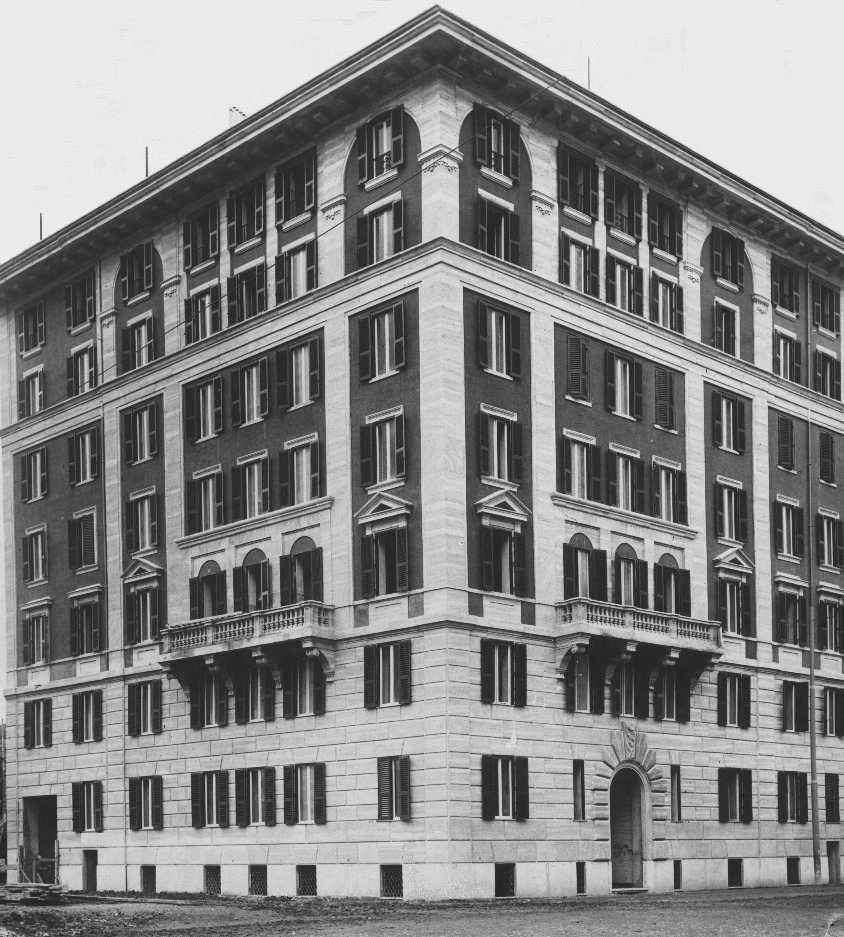
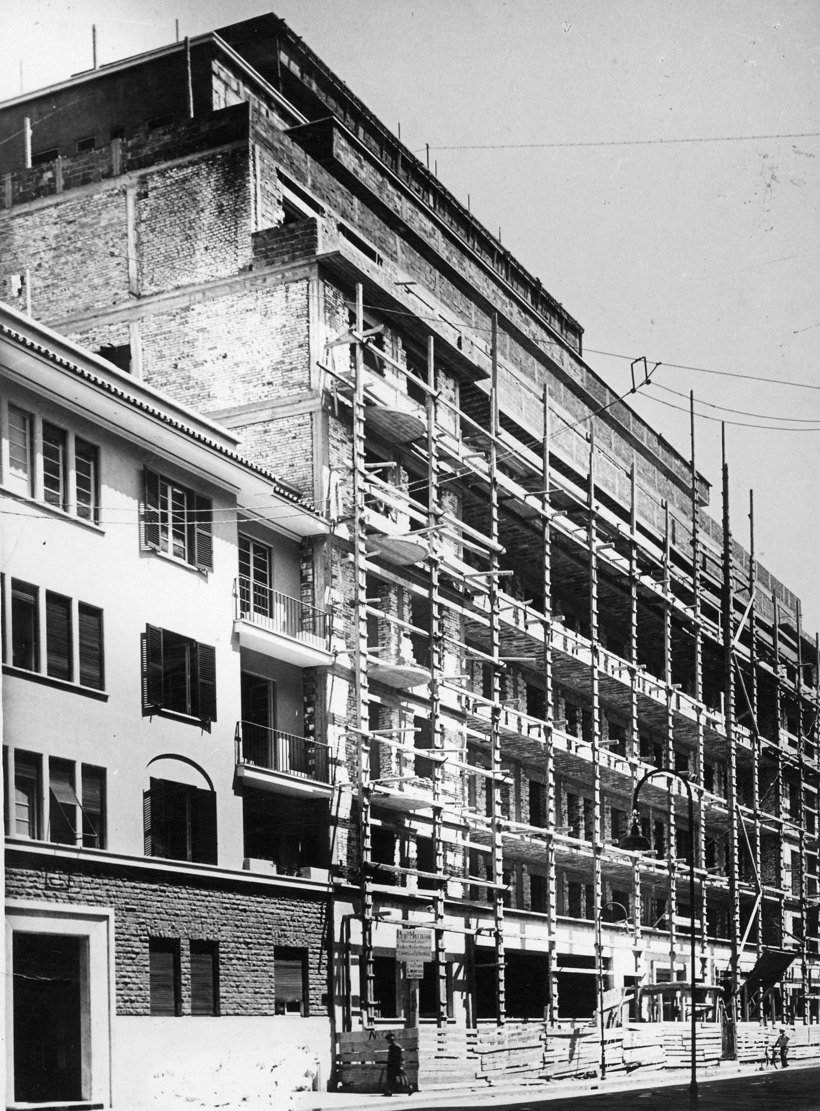
The year 1928 marks the family’s first construction site in Rome, in Prati: buildings with clean lines and carefully crafted finishes, with multiple stairwells and street addresses, on land the family purchased for its own account. Purchase, development, sale: that year saw the birth of the method that the Group recognizes as its starting point and that has come through the war and every subsequent era intact.
From Giuseppe to Aldo
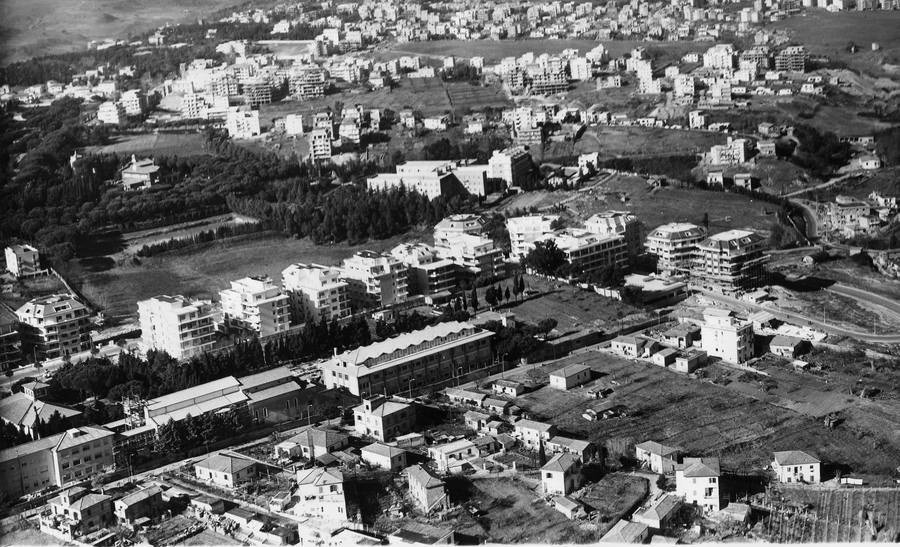
Aldo, born in 1923, was Giuseppe’s eldest son; his siblings Romano, Giancarlo, and Wanda grew up alongside him. He took over the business in the late 1950s and defined the Group’s years of greatest expansion: he led it through the boom years, from the buildings of Prati and Parioli to the entire San Godenzo district on the Cassia, and on to the high-end complexes of Parco dei Pini. No longer single buildings, but entire sections of the city, with streets, shops, and services.
From Aldo to Riccardo
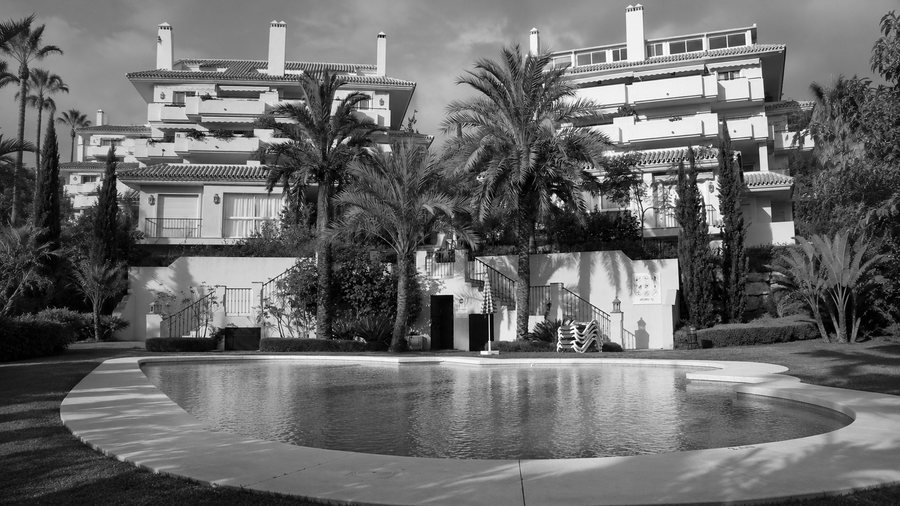
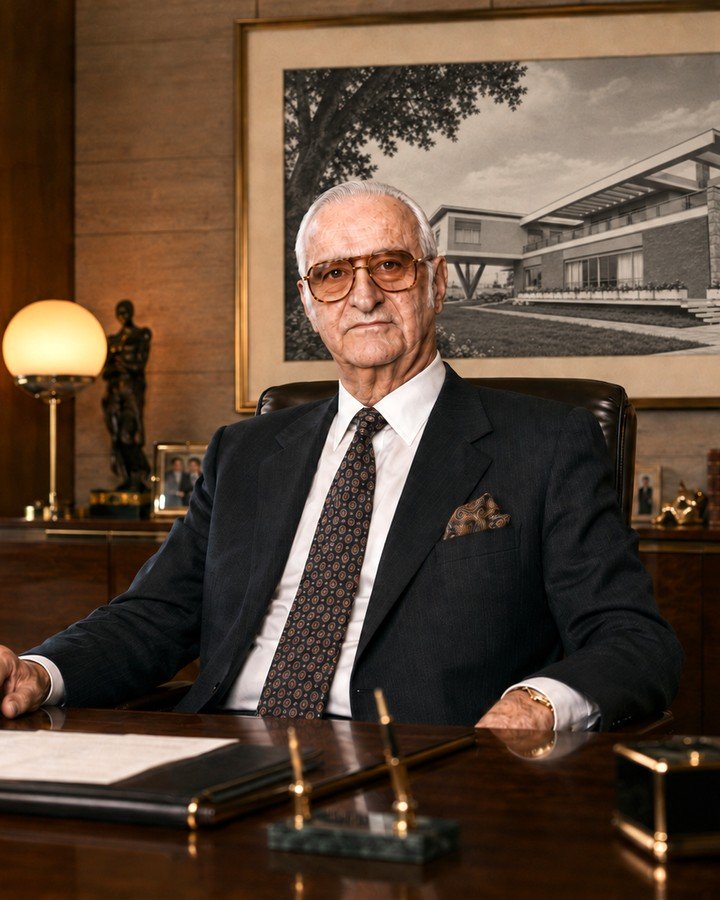
Riccardo, born in 1953, the first in the family to personally design major projects in Roma Nord and direct their construction, led the Group toward consolidation and new directions: parking infrastructure, with the underground multistory parking garages built in Roma Nord, and the first steps abroad, which took the Group into booming markets such as Brazil and the Costa del Sol in Spain. It was under his direction that the Group took its present form: the structure of dedicated companies and the very name under which it operates.
Today

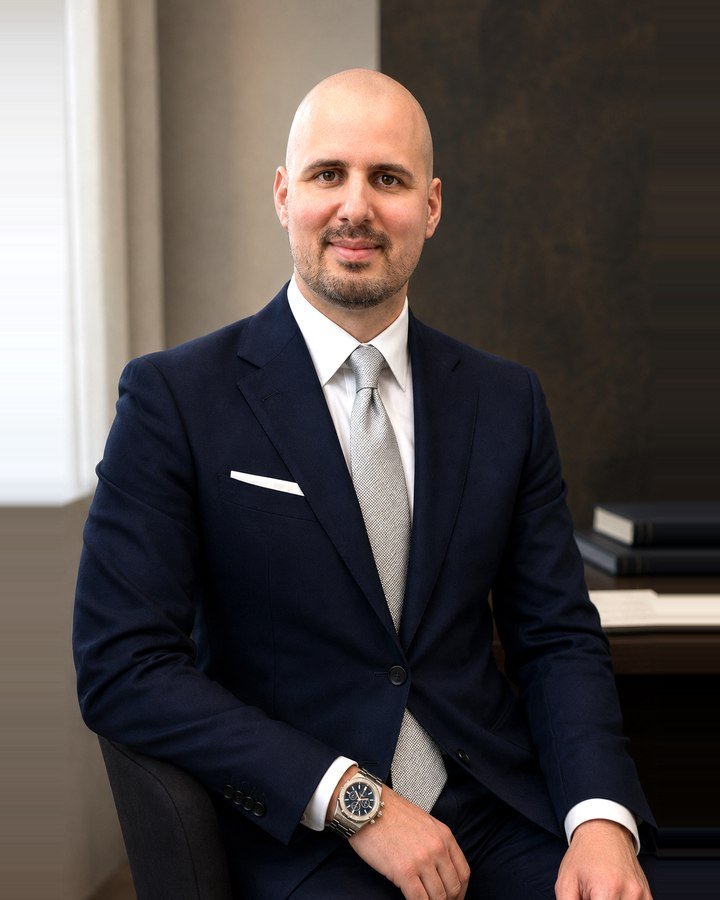
Today the Group is led by Lapo, born in 1986. The core remains prime residential redevelopment in Rome’s upscale areas, but the scope is widening: general contracting, advisory, and property value enhancement, with every project assessed in economic and financial terms through data-driven tools on a proprietary AI infrastructure. A single line runs straight from Giuseppe to the present.